
How to Reduce Outside Noise Through Your Windows
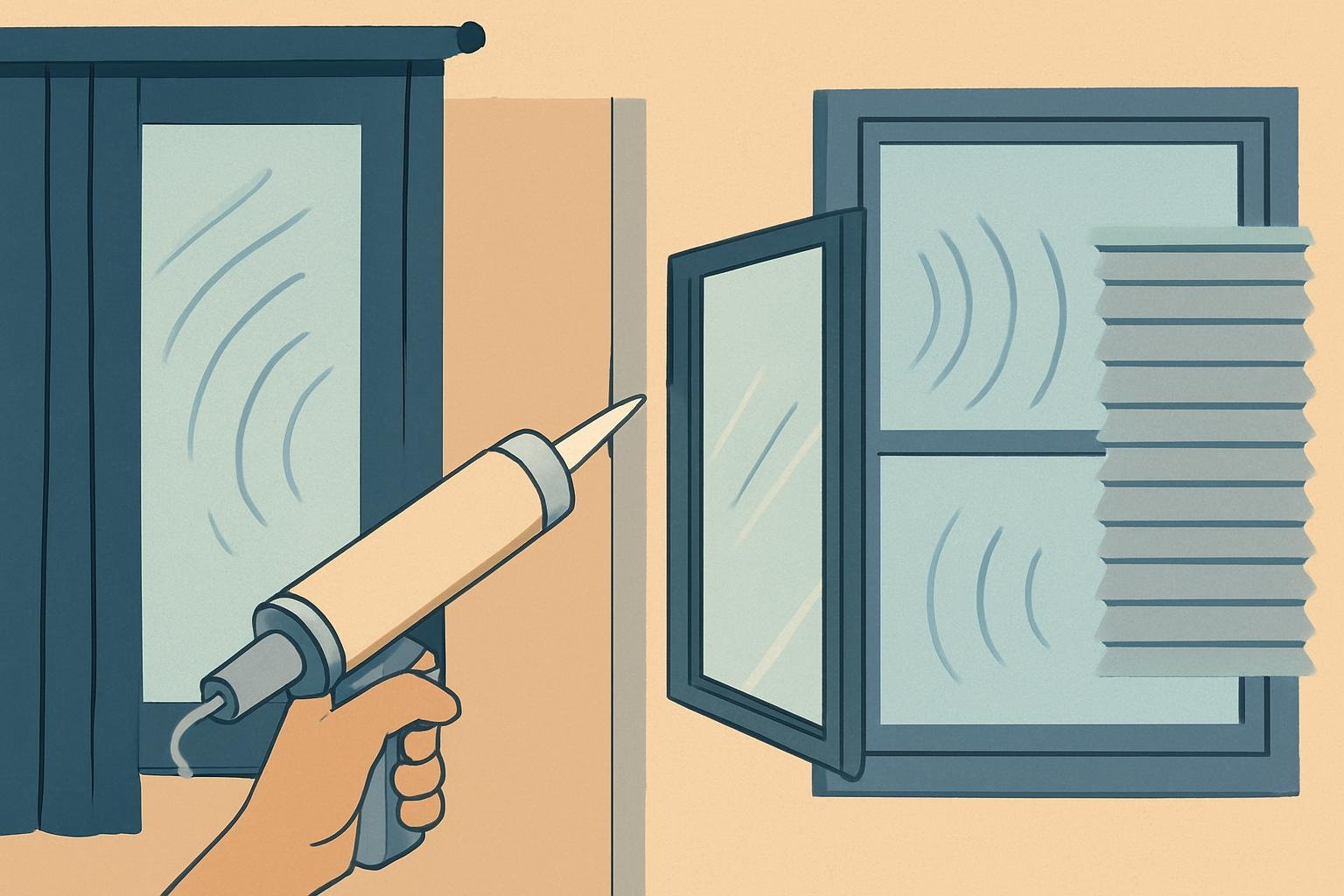
A window can let sound into a room through its glass and through small gaps around the frame. The right fix depends on which part is the weak point and how much noise you’re trying to reduce. Sealing a gap is a modest repair; adding a window insert or replacing single-pane glass is a larger change. Curtains and cellular shades can soften sound, but they’re better suited to lighter noise than persistent traffic or loud music.
Start by matching the remedy to the problem. A noticeable opening between the frame and wall calls for attention to the seal. If the window is single-pane and outside sounds carry clearly through it, additional glazing may make a bigger difference. For a room where the noise is mild, a fabric treatment may be enough to reduce its intrusion without altering the window itself.
Choose the right level of intervention
Window sound performance is often described using the Sound Transmission Class, or STC, scale. A higher rating indicates greater reduction in sound transmission. The figures are useful for comparing options, but they don’t mean a window can make a room silent: completely soundproof windows aren’t available. The goal is to reduce noise to a more manageable level.
Window inserts are the strongest option described here, particularly where outdoor noise is heavy. An insert sits inside the existing window frame, a few inches in front of the interior side of the existing window. The air space between the two layers helps limit sound vibration passing through the glass. Inserts made with laminated glass—a pair of glass layers separated by plastic—are designed to block vibration effectively.
Replacing an older single-pane window with a double-pane unit can also help, especially when noise is moderate. Two panes with air between them provide a greater barrier than a single pane. But the improvement varies: the difference between a single-pane window rated at STC 28 and a double-pane window rated at STC 35 is seven points. That illustrates why the window’s rating matters more than assuming every double-pane unit will perform the same way.
For lighter sounds, such as birds or crickets, consider sound-dampening curtains or double-cell shades. These treatments absorb some sound and can make a room feel less echo-prone, but they do not block sound as effectively as inserts. Choosing a treatment for heavy street noise is likely to disappoint if the expectation is silence.
Check the frame and wall for gaps
Before choosing a major upgrade, look for small gaps between the window frame and the interior wall. Sound can pass through these openings, and a gap can undermine the performance expected from the window itself. A draft or whistling sound may also point to openings around the sash or the sill, jambs, or casing, rather than sound travelling only through the glass.
Acoustic caulk is intended to seal the gap between the interior frame and the wall while reducing sound transmission. Unlike a hard seal that can crack as a window is operated, acoustic caulk remains flexible. It bonds to common frame and wall materials such as wood and drywall, and it can last for several years before needing attention. This is a focused repair, not a substitute for a window insert when the main problem is sound moving through the glass.

Apply acoustic caulk carefully
If the existing seal around the frame is silicone, remove it with a putty knife before applying acoustic caulk. The application uses a caulking gun; cut a small opening in the tube tip and lay a thin bead into the gap between the interior window frame and interior wall. Keep the caulk in the joint you’re sealing rather than treating every surface around the window as a target.
Acoustic caulk is available in different colors. Some products turn clear as they dry, while others keep their original color and can be painted to coordinate with the wall. Check the product’s finish before applying it if appearance matters, since the color may remain visible. The flexible seal is meant to tolerate ordinary window operation, so it can address the frame-to-wall joint without preventing the window from opening and closing.
Take care not to confuse a gap around the frame with a problem that calls for caulk on the moving parts of the window. The purpose of this repair is to fill the opening between the frame and the wall. If noise continues after that joint is sealed, the remaining sound may be coming through the glazing or through another part of the window assembly; adding more caulk in the wrong place won’t necessarily solve it.
Consider an insert for persistent noise
An insert adds a separate glazed layer inside the existing window rather than replacing the whole unit. The space between the insert and the existing glass is central to its sound-reduction benefit. This is why an insert can provide a more substantial improvement than simply relying on a standard double-pane window, particularly when the existing window has only one pane.
Published STC ranges help set expectations. Soundproof windows are described in the 48-to-54 range, while a double-pane window may fall between 26 and 35. A higher rating means greater noise reduction, but the figures shouldn’t be read as a promise that all outside sounds disappear. The sound you hear indoors depends on the noise outside and the performance of the particular window or insert.
Choose an insert when the noise problem warrants a significant change and the existing window is otherwise worth keeping. It is a more involved option than sealing a visible gap or hanging a curtain, so it makes sense to compare the expected reduction with the disruption and scope of changing the window setup. The insert is installed in front of the existing window; it isn’t simply another curtain or a replacement sash.
Replace single-pane windows when the glass is the weak point
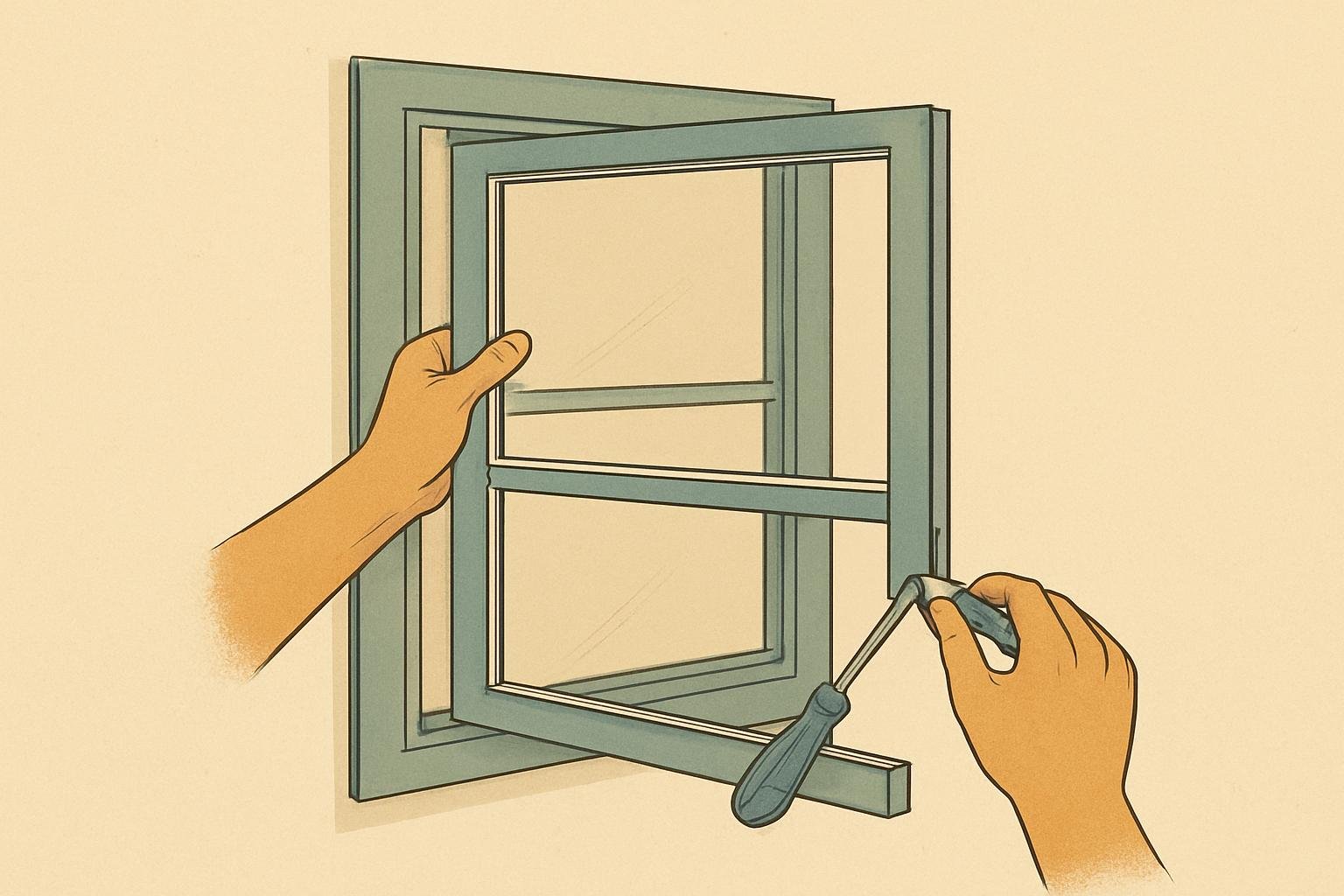
Single-pane windows have one sheet of glass and no air space between panes. Double-pane windows add that space, which helps interrupt vibration from outside sounds. If a single-pane window is allowing moderate noise, replacement can improve the barrier. The actual benefit depends on the ratings of the windows being compared, so don’t treat “double-pane” as a guarantee of a particular result.
Think about whether the noise seems to come through the glass or through an opening at the frame before choosing replacement. A new window may be a larger undertaking than sealing a small gap, and it may not address a separate leak around the frame if that remains. Conversely, caulk alone won’t change the sound-transmission characteristics of a single pane. Identifying the weak point helps avoid paying attention to the wrong part of the assembly.
Use curtains and shades for lighter noise
Sound-dampening curtains use thick, heavy fabric, often with a sound-absorbing lining. They can soften noise and reduce harsh glare, but they dampen rather than block sound entirely. They’re more appropriate for light sounds that disturb sleep than for loud traffic. Some also block light, which may be useful in a bedroom where a darker room is desired.
Cellular shades, also called honeycomb shades, contain fabric cells arranged in layers. Single-cell versions absorb limited sound; double-cell shades have two layers and absorb more. These shades can also block light, reduce indoor heat gain in summer, and retain heat in winter. Their sound benefit is still best suited to lower levels of noise, rather than a serious outside racket.
When choosing between curtains and shades, base the decision on the room’s needs as well as the sound. Curtains offer a heavy fabric layer and can help reduce echoes; cellular shades add layered cells and also affect light and heat. Neither treatment seals a frame-to-wall gap or changes a single-pane window into a more substantial glazing assembly. Keep those roles distinct when deciding what to try first.
Set a realistic target
For a small frame-to-wall opening, acoustic caulk is the direct repair. For persistent noise travelling through single-pane glass, an insert or double-pane replacement addresses the glazing more directly. Curtains and double-cell shades are useful when noise is relatively light and other benefits, such as reduced glare or blocked light, matter too.
No window treatment guarantees complete silence. If one change doesn’t produce enough relief, reconsider where the sound is entering before adding another layer. A gap calls for a sound seal; sound travelling through the glass calls for a glazing solution. That distinction is the most useful check before committing to a larger window project.